
Mastering the Five Love Languages: A Guide to the Assessment and Insights
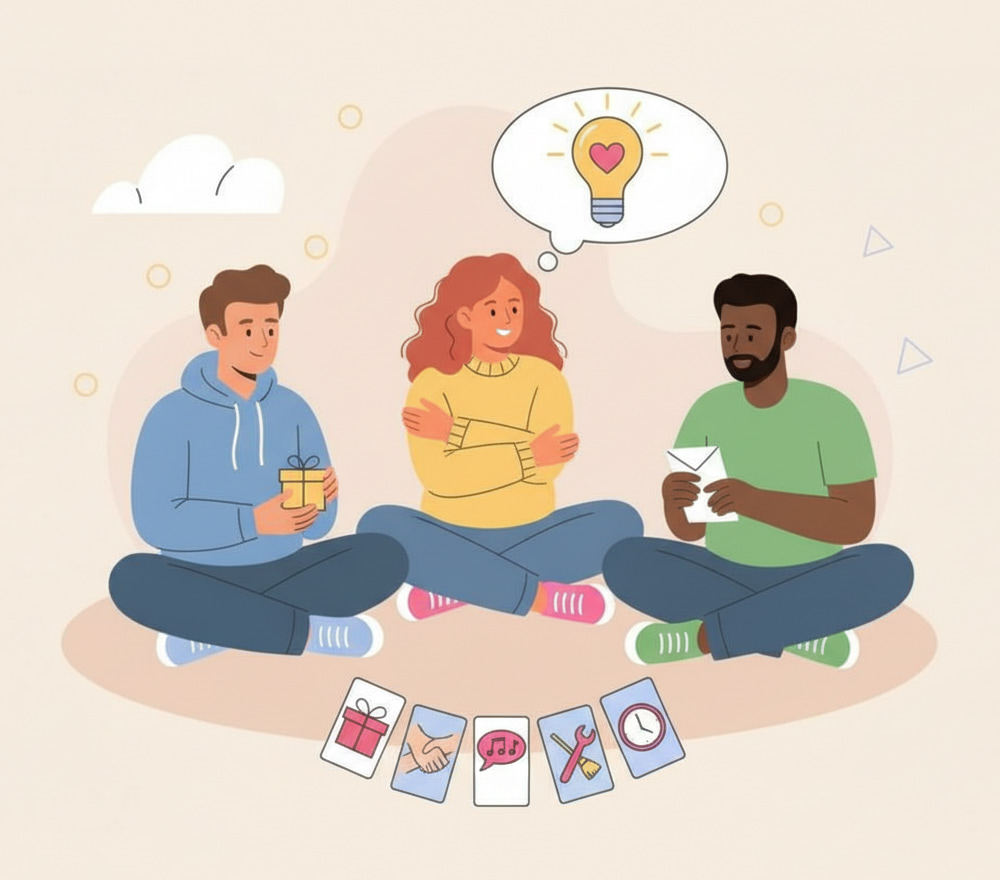
5 Love Languages Quiz by Dr. Gary Chapman
Get StartedWhat Are the Five Love Languages and Why This Assessment Matters
Relationships thrive when people feel seen, valued, and understood through the specific cues that resonate with their hearts. Many readers discover deeper self-awareness when they explore the five love languages test by Gary Chapman as a reflective roadmap. The framework outlines five primary modes of expressing care, giving you a vocabulary to describe needs without blame or guesswork. By naming patterns clearly, couples and singles gain practical traction for empathetic conversations and restorative habits.
When a shared lexicon replaces guesswork, tension Dr.ops and goodwill rises because partners can finally articulate what truly nourishes them. People who prefer quick snapshots often start with the 5 love languages quiz by Gary Chapman, then return later for a deeper dive. This approach helps you turn abstract emotion into observable actions that can be practiced, tracked, and refined over time. The result is a resilient bond built on clarity, intentionality, and mutual generosity.
- Identify which gestures feel genuinely meaningful versus merely polite.
- Translate vague needs into clear, compassionate requests.
- Spot habitual misfires and redesign habits that actually land.
- Build a culture of appreciation at home and in your wider relationships.
How the Assessment Works, Scoring, and Valid Use Cases
The assessment typically presents paired statements and asks you to select the option that feels more meaningful, revealing a hierarchy of preferences. If you want a fast primer, the Gary Chapman love languages quiz efficiently surfaces your top tendencies without long-form inventories. Most tools then tally your selections into scores for Words of Affirmation, Quality Time, Receiving Gifts, Acts of Service, and Physical Touch. The resulting profile highlights your dominant and secondary languages, plus the ones that rarely feel nourishing.
| Language | Core Need | Everyday Examples |
|---|---|---|
| Words of Affirmation | Verbal appreciation and encouragement | Thoughtful notes, specific praise, supportive texts |
| Quality Time | Focused presence and undivided attention | Device-free walks, shared meals, deep conversations |
| Receiving Gifts | Visible symbols of care and thoughtfulness | Small surprises, meaningful tokens, mementos |
| Acts of Service | Helpful actions that lighten the load | Running errands, prepping meals, solving tasks |
| Physical Touch | Affection through appropriate contact | Hugs, hand-holding, warm greetings, cozy closeness |
Interpreting results works best when you remember that rank order matters, yet the whole profile forms a nuanced mosaic. Many first-time users cross-check outcomes with the Gary Chapman five love languages quiz to validate consistency and reduce bias. You can then reflect on life stages, culture, and context that may amplify or soften particular needs across time. Treat scores as directional signals rather than rigid labels, and let real conversations confirm the patterns.
- View your top two languages as your “core Dr.ivers,” not the entire story.
- Ask loved ones which gestures feel strongest, then compare to your results.
- Reassess during life transitions to catch shifting preferences.
Interpreting Your Profile and Turning Insight Into Action
Once you know your primary and secondary languages, translate them into micro-habits that fit your schedule and personality. Some readers map weekly routines after using the five love languages Gary Chapman quiz because structure turns good intentions into momentum. For example, you might schedule focused time blocks, batch thoughtful messages, or prepare small surprises that match your partner’s rhythm. Momentum builds when generosity becomes predictable, visible, and easy to reciprocate.
Communication clarity grows when you also identify what does not land well, preventing accidental misfires. A simple journaling exercise after the five love languages quiz Gary Chapman can reveal situations where your actions were misread and why. Note triggers, preferences, and constraints, then redesign rituals so they soothe rather than scratch. Over time, you will create a shared playbook that reduces friction and elevates delight.
- Set recurring reminders for tiny acts that matter disproportionately.
- Use a shared calendar for dates, service tasks, or celebration moments.
- Protect presence by eliminating distractions during connection windows.
- Debrief gently each week: what worked, what missed, what to try next.
Benefits for Couples, Singles, Parents, and Teams
The model supports more than romance, enhancing leadership, parenting, and friendship dynamics with the same lexicon. Team facilitators sometimes adapt insights from the five love languages test Chapman to shape appreciation rituals that fuel morale. Managers can turn meetings into meaningful moments, while parents can tailor encouragement to a child’s unique cues. Because appreciation is contextual, the language invites flexible experimentation rather than one-size-fits-all formulas.
Therapists and coaches appreciate how accessible the framework is for clients across backgrounds. In brief workshops, participants often warm up with the 5 love languages quiz Chapman before practicing scripts that express needs safely. This lowers anxiety for hesitant communicators, and it opens the door to collaborative problem-solving. When praise and presence align with preference, confidence improves and trust deepens.
- Couples gain a roadmap for everyday repair and celebration.
- Singles cultivate self-knowledge that guides dating choices.
- Parents tailor nurturing to each child’s distinct signals.
- Teams build cultures where recognition actually resonates.
Common Pitfalls, Nuances, and Cultural Considerations
No typology can capture the full complexity of a person, so hold labels gently and test assumptions in conversation. Some people feel boxed in by the Chapman 5 love languages quiz, yet thoughtful dialogue can expand the frame to include context and nuance. Stress, neurodiversity, trauma history, and cultural scripts all interact with how affection is expressed and received. Listening for stories behind the scores protects dignity and prevents oversimplification.
Another pitfall is treating gifts or services as currency to buy compliance, which erodes goodwill. A healthier tactic is to treat the love languages Gary Chapman quiz as a conversation starter that invites curiosity and boundaries. You can define what is welcome, what is neutral, and what is unhelpful, then negotiate experiments. That tone of mutual respect keeps growth sustainable even during stressful seasons.
- Avoid weaponizing the model to demand specific behaviors.
- Honor consent and context, especially with touch and time expectations.
- Balance spontaneity with reliability to keep care both fresh and safe.
FAQs About the Test and Practical Next Steps
The following answers adDr.ess frequent queries from readers who want clarity before they begin. Use them as a springboard for mindful application, and pair insights with compassionate action to see measurable change.
Is the assessment scientifically validated?
It is a popular practical tool grounded in lived experience and reflective practice rather than a clinical diagnostic. Many practitioners use insights from the Gary Chapman 5 love languages test alongside evidence-based methods to enrich coaching or therapy. Think of it as a user-friendly map that benefits from thoughtful interpretation and real-world testing.
How long does it take to complete?
Most versions take about 5–10 minutes, though deeper guided reflections can extend that time. Brief formats work well for workshops, while longer consultations allow for customized planning. Choose the depth that matches your goals and revisit periodically.
Can my primary love language change over time?
Preferences can shift with seasons of life, stress levels, and relationship context. Major transitions, new jobs, parenthood, relocation, often nudge priorities in subtle ways. Rechecking your profile helps align support with current realities.
What if my partner and I have different top languages?
Divergence is common and manageable with curiosity and consistent practice. Many couples build a shared ritual around insights from Gary Chapman's 5 love languages test so both feel pursued in ways that land. You can alternate focus weeks, stack habits, and celebrate small wins to keep motivation high.
How should we use the results without creating pressure?
Start small, make it specific, and agree on rhythms you can maintain. A weekly check-in keeps adjustments gentle and collaborative, while gratitude amplifies momentum. Over time, you will build trust by matching intention with impact.