
The Ultimate Guide to Understanding and Using the Five Love Languages Quiz
5 Love Languages Quiz by Dr. Gary Chapman
Get StartedWhat the Love Language Quiz Is and Why It Matters
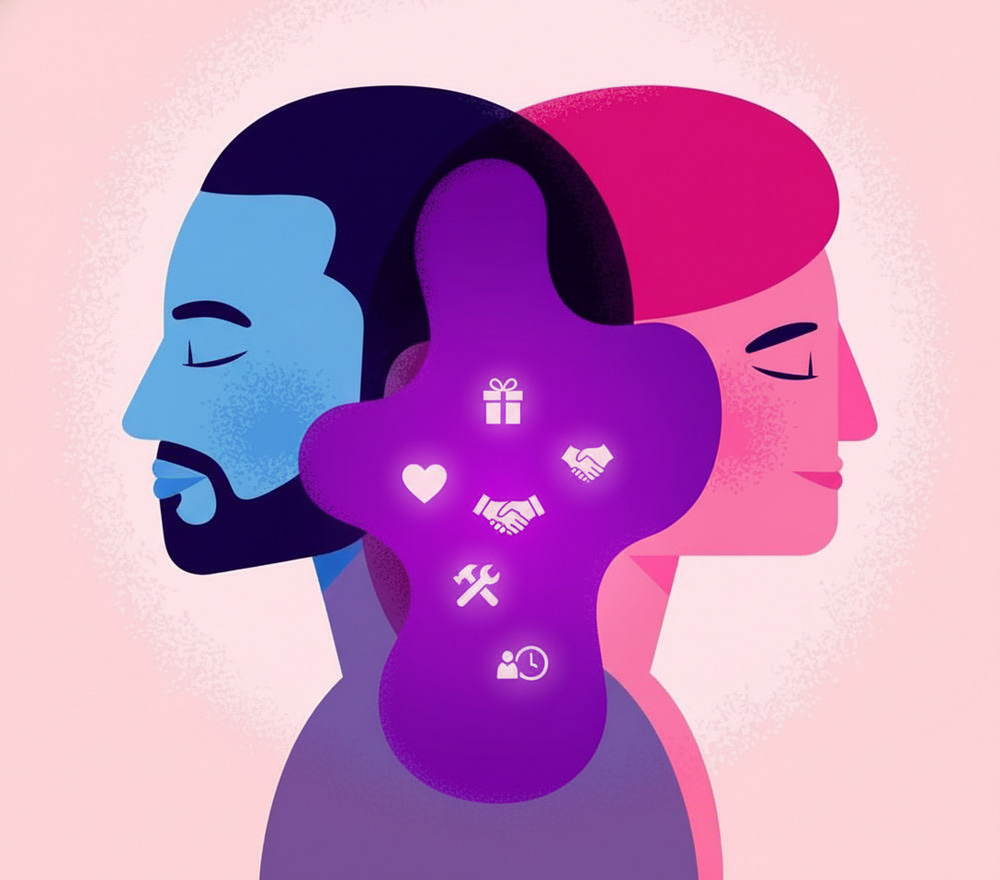
Relationships thrive when partners grasp how affection is best expressed and received, and a concise assessment helps transform vague intentions into intentional care. Across relationships worldwide, the Dr. Gary Chapman love language quiz has become a simple gateway to clarity, giving people a vocabulary for daily connection. The concept rests on five core dialects of affection, Words of Affirmation, Quality Time, Acts of Service, Gifts, and Physical Touch, each reflecting a predominant way someone feels valued. Rather than boxing people into strict categories, the framework illuminates patterns and preferences, offering a lens to decode mismatched expectations. As a result, couples, friends, and families can communicate feelings with far less friction and far more empathy. Many beginners feel relieved to find that small, consistent acts aligned with their partner’s style can outperform grand but misaligned gestures.
Beyond romance, the model spills over into friendships, parenting, mentoring, and even team culture, because human connection is woven through every social fabric. For people who like structure, the 5 love languages quiz Gary Chapman provides a repeatable method to measure shifts over time as seasons of life evolve. This repeatability serves as a personal dashboard for well-being, especially when stress, career transitions, or new family dynamics alter emotional needs. You’ll also discover that growth happens not only in identifying your primary language but in becoming multilingual, learning to speak another person’s dialect with curiosity and skill. Over time, the data you gather about yourself becomes a map for more intentional conversations, better conflict resolution, and playful collaboration.
- Pinpoint emotional preferences without guesswork.
- Reduce misinterpretations by clarifying intent and impact.
- Build rituals that reinforce trust and intimacy.
- Adapt support strategies during life changes and stressful periods.
The Five Love Languages, Explained
The framework condenses the complex world of intimacy into five accessible categories that almost anyone can apply. Many readers first encounter the concept through the Gary Chapman love languages quiz, which elevates awareness by pairing plain-language prompts with practical scoring. Once you know your profile, you can tailor everyday moments, morning routines, texting habits, weekend plans, to match what actually makes you and your partner feel seen. A common surprise is that people often give love the way they prefer to receive it, which can be a mismatch if your partner’s priorities differ. Learning to translate between preferences turns ordinary days into opportunities for micro-moments of connection instead of missed signals. For a fast entry point, the love language quiz Gary Chapman helps translate abstract feelings into tangible actions.
Each language shines in different contexts and can be combined like ingredients for a personal recipe. Among companion tools that support reflective dialogue, the Gary Chapman five love languages quiz is ideal for couples who want a shared framework without heavy theory. You might notice, for instance, that Words of Affirmation become vital during career setbacks, while Quality Time dominates during holidays or milestones. Acts of Service can carry incredible weight for new parents managing logistics, whereas Gifts might brighten long-distance relationships. Physical Touch tends to be grounding for people who metabolize stress through their bodies, making hugs and hand-holding powerful signals of safety and care. When you understand how each channel works, it’s easier to craft rituals that are both meaningful and sustainable.
- Words of Affirmation: Encouraging phrases, sincere praise, appreciative notes.
- Quality Time: Undistracted attention, shared activities, deep conversation.
- Acts of Service: Thoughtful help, proactive support, follow-through.
- Gifts: Thoughtful tokens, symbolic items, surprise treats.
- Physical Touch: Hugs, hand-holding, cuddling, reassuring contact.
| Love Language | Typical Expressions | Helpful Responses |
|---|---|---|
| Words of Affirmation | Verbal praise, gratitude, supportive notes | Specific compliments, reflective listening, kind texts |
| Quality Time | One-on-one moments, shared hobbies | Device-free time, planned dates, deep questions |
| Acts of Service | Help with tasks, thoughtful planning | Do the chores, anticipate needs, follow commitments |
| Gifts | Meaningful tokens, surprises | Personalized items, small treats, celebratory gestures |
| Physical Touch | Hugs, cuddling, reassuring contact | Consensual touch, soothing presence, warm greetings |
How to Take the Quiz and Interpret Results
Preparation matters, because a clear mindset yields more accurate insights and a smoother conversation afterward. For reflective results across contexts, the five love languages Gary Chapman quiz pairs best with a calm moment and zero distractions. Try to answer based on what genuinely lands for you rather than what you think you should want, since authenticity reveals the patterns you’ll act on consistently. When possible, take the assessment separately from your partner first, then compare notes and highlight overlaps and tensions. Shared review builds mutual respect and makes implementation feel collaborative rather than prescriptive. If your top two languages are close in score, consider them co-primary and design rituals that honor both.
Once you have a profile, small experiments create fast wins while validating your data. For time-pressed couples, the five love languages quiz Gary Chapman can anchor a weekly check-in where you trade examples of what worked and what didn’t. Focus on concrete behaviors you can repeat, because consistency beats infrequent grand gestures. You might schedule thirty-minute walks for Quality Time, prepare coffee the night before for Acts of Service, or write brief notes that highlight specific strengths for Words of Affirmation. Over the next month, track satisfaction and stress levels to see which rituals deliver the biggest positive shift. Keep iterating until your interactions feel natural, energized, and resilient.
- Answer honestly and quickly to avoid overthinking.
- Share results and choose two habits to test immediately.
- Review progress weekly and refine together.
- Reassess during life transitions or new stressors.
Benefits and Real-World Applications
Practical payoffs show up fast when your actions match the signals your partner values most. In counseling settings, coaches often introduce the 5 love languages quiz Chapman as a friendly on-ramp to deeper conversations about needs and boundaries. The framework reduces defensiveness because it honors differences rather than ranking them, which is crucial during conflict repair. Parents find it helpful for tailoring praise, routines, and soothing strategies to each child’s emotional style. Even solo readers can redesign self-care by giving themselves the same language they crave from others. Over time, you build a repertoire of reliable moves that prevent misunderstandings and make affection feel unmistakably clear.
Teams and friendships benefit too, particularly when recognition preferences vary widely. In workshops, facilitators adapt the Chapman 5 love languages quiz to team rituals, exploring how members want appreciation to be shown after milestones. This leads to fewer missed cues during high-pressure projects, because peers can align encouragement with real impact. Managers might translate “affirmation” into public praise for some teammates while offering private notes for others. Friends can coordinate check-ins that reflect Quality Time rather than defaulting to text-only exchanges. In every environment, naming preferences lowers friction and boosts a sense of belonging and psychological safety.
Momentum builds as experiments turn into habits, and relational “muscle memory” grows. For couples rebuilding trust or simply seeking new spark, the 5 love language quiz Gary Chapman often catalyzes practical commitments like weekly dates, chore swaps, or touch-first greetings. Celebrations also feel richer when Gifts align with the recipient’s symbolism rather than price tags, and touch-based rituals can ease stressful commutes or long days. Over months, these small, predictable behaviors accumulate into a strong relational baseline that carries you through hard seasons. When love is translated clearly, good intentions finally land as intended.
- Fewer misfires and faster conflict repair.
- Stronger rituals that fit daily routines.
- More accurate recognition and appreciation at work.
- Personalized self-care that actually replenishes energy.
FAQ: Answers to Common Questions
How accurate is the quiz, and can results change over time?
Accuracy improves when you answer based on lived experience rather than idealized preferences. Because life stages and stressors evolve, it’s normal for your order to shift subtly as priorities change and new responsibilities emerge. Many couples retake assessments seasonally to recalibrate rituals and confirm that habits still match current needs. For additional structure across repeated check-ins, some readers use the Gary Chapman 5 love language quiz to track trends longitudinally and keep conversations grounded.
Should partners take the assessment together or separately?
Separate first, then compare, so neither person unconsciously mirrors the other’s answers or feels nudged toward a particular outcome. After comparing results, create two simple experiments you will both try for a week and debrief together. That rhythm keeps momentum high and makes adjustments feel collaborative rather than corrective. Over time, this process builds trust because both people see consistent follow-through and mutual care.
What if our primary languages are different?
Differences are common and manageable with mindful translation and a shared plan. Begin by identifying low-effort behaviors that deliver outsized impact for each person, and calendar them to guarantee consistency. During conflicts, use the language your partner values most as a repair attempt, such as a written apology for Affirmation or a helpful task for Service. When both people invest in bilingual habits, alignment emerges naturally.
Can singles use the framework without a partner?
Absolutely, because personal well-being strengthens future relationships by clarifying what nourishes you. Start by designing self-care rituals that mirror your top language, then extend that awareness to friendships and family dynamics. You can also refine boundaries around time, touch, and commitments with confidence. Many individuals find that curiosity about preferences leads to more compatible dating and clearer communication.
Is there any value in retaking the assessment after major life events?
Retesting after milestones like moves, new jobs, or parenthood captures shifting needs before miscommunication sets in. The resulting insights help you adjust rituals early, protecting energy and preserving intimacy during demanding transitions. For a light, structured refresh, readers sometimes revisit the love languages Gary Chapman quiz when routines change Dr.amatically or stress rises. Quick recalibration now prevents friction later and keeps connection sturdy.